Finding Stillness in a Busy World: Simple practices to create moments of calm amidst the chaos of daily life
Finding stillness in a busy world begins with small pauses. Through simple mindfulness and nature-based practices, you can reduce stress, calm your nervous system, and create moments of peace even when life feels overwhelming.
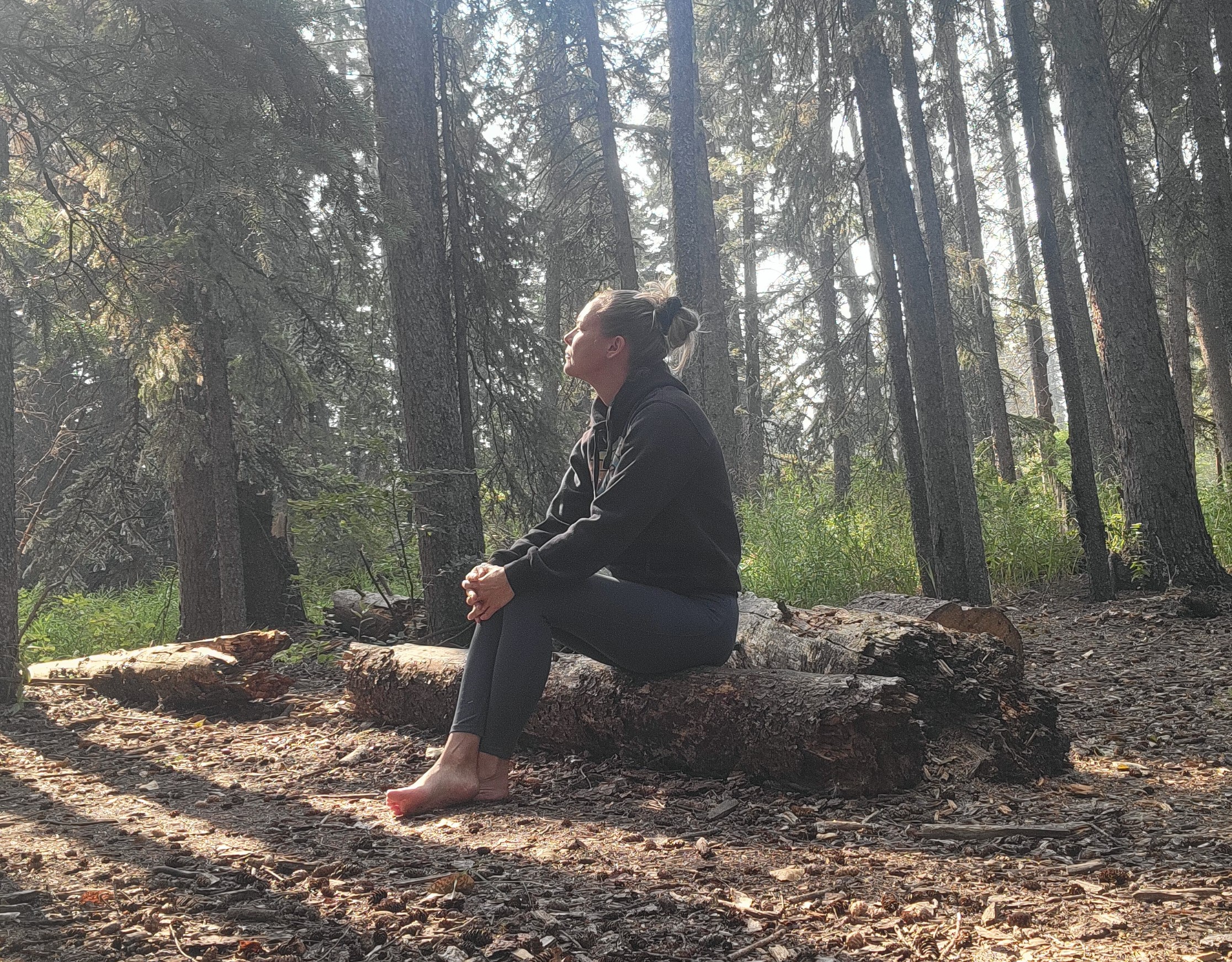
Finding Stillness in a Busy World
Simple practices to create moments of calm amidst the chaos of daily life
Stillness doesn’t come easily in the world we live in.
Many days begin with noise before our feet even touch the floor. Notifications, responsibilities, and the quiet pressure to keep up fill the space before we have a chance to arrive in ourselves. Life feels fast, full, and often relentless.
We tell ourselves that stillness will come later. After this season. After things calm down. After we catch up.
But later rarely arrives.
Stillness is not something the world gives us. It is something we learn to create, gently and intentionally, even when life feels loud.
Why stillness matters more than ever
When life feels overwhelming, the nervous system often remains in a low-level state of alert. Even when nothing is actively wrong, the body stays tense and the mind keeps racing.
Over time, this constant busyness can leave us feeling disconnected, irritable, and exhausted. Rest no longer feels restorative because the body never fully stands down.
Stillness offers the nervous system a signal of safety. It creates brief but meaningful pauses that allow the body to regulate and the mind to settle.
Stillness is not about stopping life. It is about creating enough space to feel like yourself again.
Stillness begins in the body, not the mind
Many people try to think their way into calm. In reality, stillness begins in the body.
Before the mind can settle, the body needs to feel safe.
This can be as simple as placing your feet on the ground, taking a slow breath, or letting your shoulders drop. You do not need to feel peaceful for this to work. You only need to show up for the moment you are in.
When the body softens, the nervous system follows. The mind often comes along naturally.
Nature as a doorway to stillness
Nature offers stillness without expectation.
Trees do not rush. Water does not multitask. The sky does not demand productivity.
Stepping outside, even briefly, engages the senses and gently draws attention out of the mind and into the present moment. The feel of air on your skin. The sound of leaves or birds. The simple act of looking at something alive.
You do not need a forest or hours of free time. A backyard, a park bench, or a single tree on your street is enough.
Stillness is not about where you go. It is about how you arrive.
Gentle practices to invite stillness into daily life
Stillness grows through small, consistent moments rather than large blocks of time.
You might pause for one breath before moving from one task to the next. You might notice one sensory detail around you. You might step outside without a destination and walk slowly for a few minutes.
There is no right way to do this. Stillness does not need to feel calm or quiet to be effective.
Some days it feels peaceful. Some days it feels uncomfortable. Some days it is simply the decision not to push yourself further.
Let go of the pressure to feel calm
One of the biggest barriers to stillness is the belief that we should feel calm once we pause. When that does not happen, we assume we are doing it wrong.
Stillness is not about forcing relaxation. It is about allowing what is present without trying to fix it.
Whatever you find when you slow down is welcome.
A gentle reminder
You do not need to earn stillness by being productive enough. You do not need permission to slow down.
Stillness does not remove the chaos around you. It changes how you meet it.
If everything feels overwhelming, start small. One breath. One pause. One moment of noticing.
Stillness is not a destination. It is a practice of returning to yourself, again and again.